.png)
Experience as the New Growth Engine
Commerce has entered a new age — one where the quality of experience defines the path to growth. Consumers are no longer guided solely by price, convenience, or even loyalty mechanics. They are guided by experience — how they feel, what they understand, when they engage, and whether the interaction respects their context, time, and emotional state.
This shift marks the rise of SuperIntelligent Consumer Experience Design — a discipline where every touchpoint is informed by real-world behavior, predictive insight, contextual relevance, and human understanding. Experience design becomes intelligent not through automation, but through empathy supported by data, creativity supported by context, and interaction supported by collaboration.
Commerce SuperIntelligence enables this transformation by turning routine interactions into thoughtful journeys, aligning ecosystems around meaning, and elevating brands from transactional engagement to human connection.
This chapter explores how commerce evolves when experience becomes intelligent, adaptive, and purpose-driven — and how partners can design interactions that inspire trust, participation, and long-term affinity.
The Evolution of Consumer Experience: From Interface to Intelligence
Consumer experience used to be defined by interfaces — websites, apps, displays, or store layouts. Experience was built through static structures and predictable flows.
But modern consumers behave dynamically, influenced by context, mood, moment, and movement. Experience is no longer linear. It is fluid, situational, multi-channel, and emotional.
1. Experience Used to Be Layout-Driven
Traditional experience design focused on:
- navigation
- architecture
- simplicity
- visual clarity
- ease of use
These principles remain relevant, but they are no longer enough.
2. Experience Became Personalization-Driven
With digital evolution came:
- segmented emails
- dynamic content
- tailored offers
- recommended products
But personalization often lacked emotional intelligence. It understood patterns, not people.
3. Experience Is Now Becoming Intelligence-Driven
Experience design today requires:
- predictive understanding
- contextual timing
- real-time adaptation
- collaborative alignment
- ethical data intelligence
Experience is shaped not only by what is shown, but when, why, and how it is shown.
SuperIntelligent Experience Design fuses these elements into a continuous ecosystem — one where intelligence amplifies humanity.
Defining SuperIntelligent Consumer Experience Design
SuperIntelligent CxD is the discipline of designing interactions that feel natural, relevant, empathetic, and intelligent — supported by contextual data and real-time insight.
It is built on five foundations:
- Context-Aware Interaction
- Predictive Engagement Flow
- Emotionally-Intelligent Design
- Cross-Channel Continuity
- Collaborative Ecosystem Intelligence
1. Context-Aware Interaction: Experiences That Live in the Real World
Consumers experience life in context.
Context changes by the hour, by the environment, and by the individual.
Context-aware design considers:
- time of day
- weather
- location
- mood
- mobility
- intent
- micro-needs
- cultural cues
A consumer walking past a cooler on a hot day experiences context differently than one browsing at night after work.
SuperIntelligent experience design aligns with reality — not abstractions.
2. Predictive Engagement Flow: Designing for the Next Step, Not the Last One
Traditional experience design answers:
What should this screen show?
Predictive experience design asks:
What will the consumer want next?
Predictive flows consider:
- behavioral sequences
- preference evolution
- category anticipation
- habitual timing
- emotional shifts
- purchase cycles
Commerce SuperIntelligence detects patterns that allow experience to feel effortless — removing friction before it appears.
3. Emotionally-Intelligent Design: Experience That Feels Human
Emotion shapes every decision:
- anticipation
- excitement
- comfort
- curiosity
- relief
- longing
- reassurance
Emotionally-intelligent design understands that consumers engage differently depending on mental state and situational cues.
It shifts tone, color, voice, and timing based on:
- moment-based sentiment
- experience-driven mood
- environmental influence
Experience becomes empathetic — not manipulative.
4. Cross-Channel Continuity: Experience That Moves with the Consumer
Consumers move freely across environments.
Experience must move with them.
SuperIntelligent CxD creates continuity across:
- retail shelves
- digital screens
- DOOH
- mobile messaging
- loyalty ecosystems
- product exploration
- in-store QR journeys
- gamified missions
It ensures the story never resets.
It continues gracefully, with memory and understanding.
5. Collaborative Ecosystem Intelligence: Experience Designed by Partners, Not Silos
Experience is no longer produced by one team — it is shaped by an ecosystem.
Experience design benefits from:
- retailer insight
- media context
- agency creativity
- brand purpose
- technology intelligence
Commerce SuperIntelligence connects these perspectives, enabling experience to be:
- unified
- measurable
- aligned
- contextually intelligent
This is the foundation of an experience ecosystem.
The Architecture of SuperIntelligent Experience
SuperIntelligent CxD operates through a coordinated architecture consisting of:
- The Insight Engine
- The Experience Framework
- The Creative System
- The Moment Layer
- The Intelligence Layer
1. The Insight Engine: Understanding People in Motion
Insights go beyond data points.
They capture the rhythm of human behavior.
The insight engine detects:
- need-based moments
- emotional patterns
- time-triggered decisions
- store behavior dynamics
- response tendencies
- contextual influence
Insight does not judge the consumer; it learns from them.
2. The Experience Framework: Designing the Journey Arc
Experiences follow emotional arcs — just like stories.
The framework includes:
- entry moments
- interest triggers
- emotional build
- value exchange
- resolution
- return path
SuperIntelligent experience design recognizes these arcs and supports them with intelligence.
3. The Creative System: Emotion Meets Relevance
Creativity infused with intelligence ensures that:
- tone matches moment
- visuals match environment
- message matches context
- design matches emotion
Creative intelligence brings:
- dynamic adaptation
- modular design
- contextual variations
- continuous optimization
Creativity doesn’t become automated — it becomes amplified.
4. The Moment Layer: Experience Rooted in Reality
Every interaction happens in real time.
The moment layer uses Commerce SuperIntelligence to identify:
- when the consumer is most open
- where intent is strongest
- how context influences decision
This allows experiences to feel immediate, not forced.
5. The Intelligence Layer: Continuous Learning and Refinement
Intelligence enriches experience by:
- analyzing engagement
- refining interaction
- predicting next steps
- strengthening relevance
- enriching emotion
This creates a living experience — one that evolves with consumers.
Designing SuperIntelligent Experiences Across Touchpoints
SuperIntelligent Consumer Experience Design becomes most powerful when applied across environments.
Let’s explore the impact across channels.
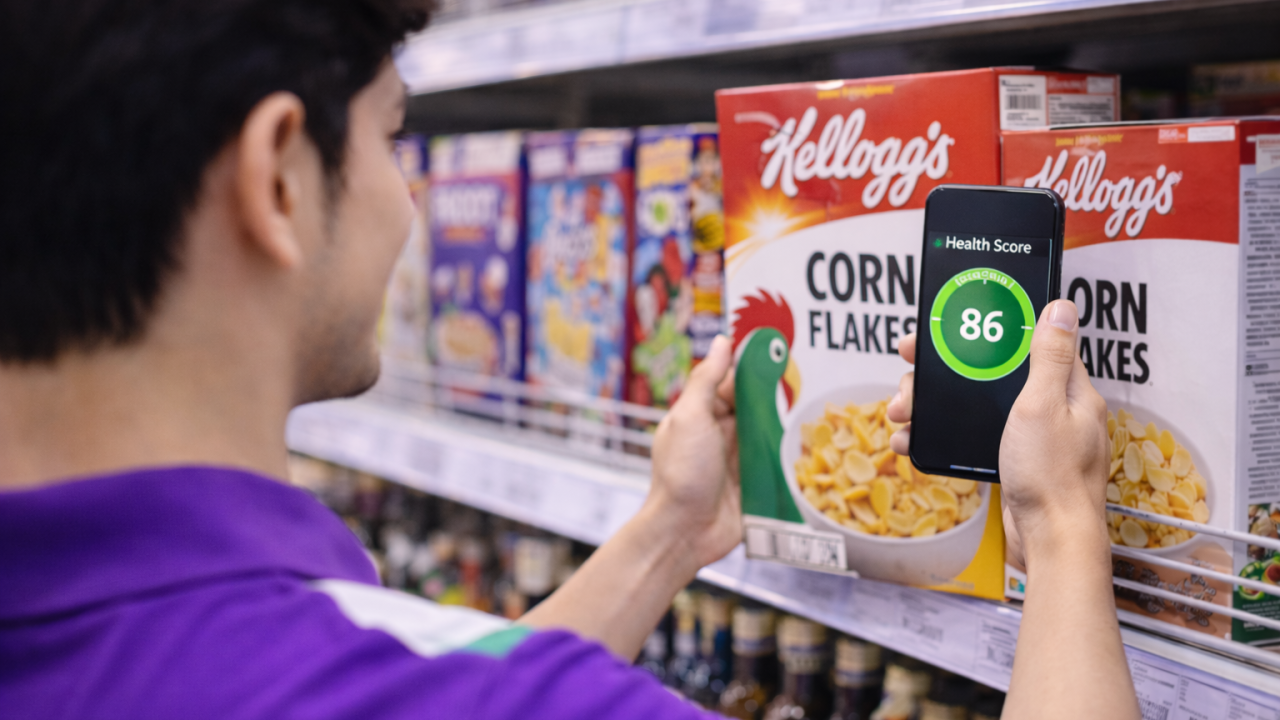
1. In Retail: Experience That Energizes Discovery
In-store environments become intelligent through:
- contextual displays
- moment-driven messaging
- discovery triggers
- gamified experiences
- instant rewards
- adaptive storytelling
Shelves become experience stages — not passive spaces.
2. In DOOH: Experience That Meets Consumers in Motion
DOOH becomes a responsive canvas:
- creative adjusts by hour
- weather influences messaging
- audience flow determines tone
- location context refines relevance
Screens become intelligent storytellers.
3. In Messaging: Experience That Feels Personal
Messaging becomes experience when:
- timing respects daily rhythm
- content provides value
- engagement feels natural
- flows anticipate behavior
Messages no longer interrupt — they harmonize.
4. In Loyalty Ecosystems: Experience That Rewards Emotion
Loyalty transforms into experience when:
- rewards feel earned
- missions feel fun
- experiences feel personal
- feedback feels meaningful
Loyalty becomes emotional satisfaction, not accumulation.
5. In Gamified Environments: Experience That Sparks Participation
Gamification becomes a design language for:
- curiosity
- challenge
- exploration
- reward
- celebration
Gamified experience makes engagement joyful, not obligatory.
Why SuperIntelligent Experience Design Matters
For Brands
It creates emotionally resonant experiences that build affinity and engagement.
For Retailers
It transforms stores into intelligent experience ecosystems.
For Media Partners
It sets a new standard for contextual relevance.
For Agencies
It elevates creative strategy with intelligence.
For Consumers
It creates experiences that feel intuitive, respectful, and human.
For the Ecosystem
It turns commerce into connection.
The Future: Experience as an Intelligent System
Here is what the next decade will bring:
1. Emotionally-Aware Experiences
Systems that respond to mood and sentiment.
2. Predictive Experience Journeys
Flows that anticipate consumer needs before they arise.
3. Cultural Intelligence in Experience
Design that aligns with local meaning and social dynamics.
4. Adaptive Creative Environments
Stories that shift based on engagement and moment-based resonance.
5. Experience Collaboration Networks
Partners co-designing experiences through shared intelligence.
Conclusion: Designing Experiences That Feel Intelligent and Human
SuperIntelligent Consumer Experience Design represents the evolution of engagement — where intelligence amplifies creativity, and design becomes human-centered, ethical, contextual, and adaptive.
Commerce SuperIntelligence supports partners in building experiences that:
- understand people
- respect moments
- inspire emotion
- drive measurable value
- strengthen trust
Experience becomes not just a touchpoint, but a philosophy — shaping growth, guiding connection, and redefining the future of commerce.
Welcome to SuperIntelligent Consumer Experience Design — powered by Grivy Commerce SuperIntelligence.
Design smarter, more human experiences with Grivy. Partner with us to build moments, journeys, and interactions shaped by intelligence, creativity, and respect for the consumer.
Let’s transform experience into meaningful engagement with Commerce SuperIntelligence.
.png)