
.jpg)

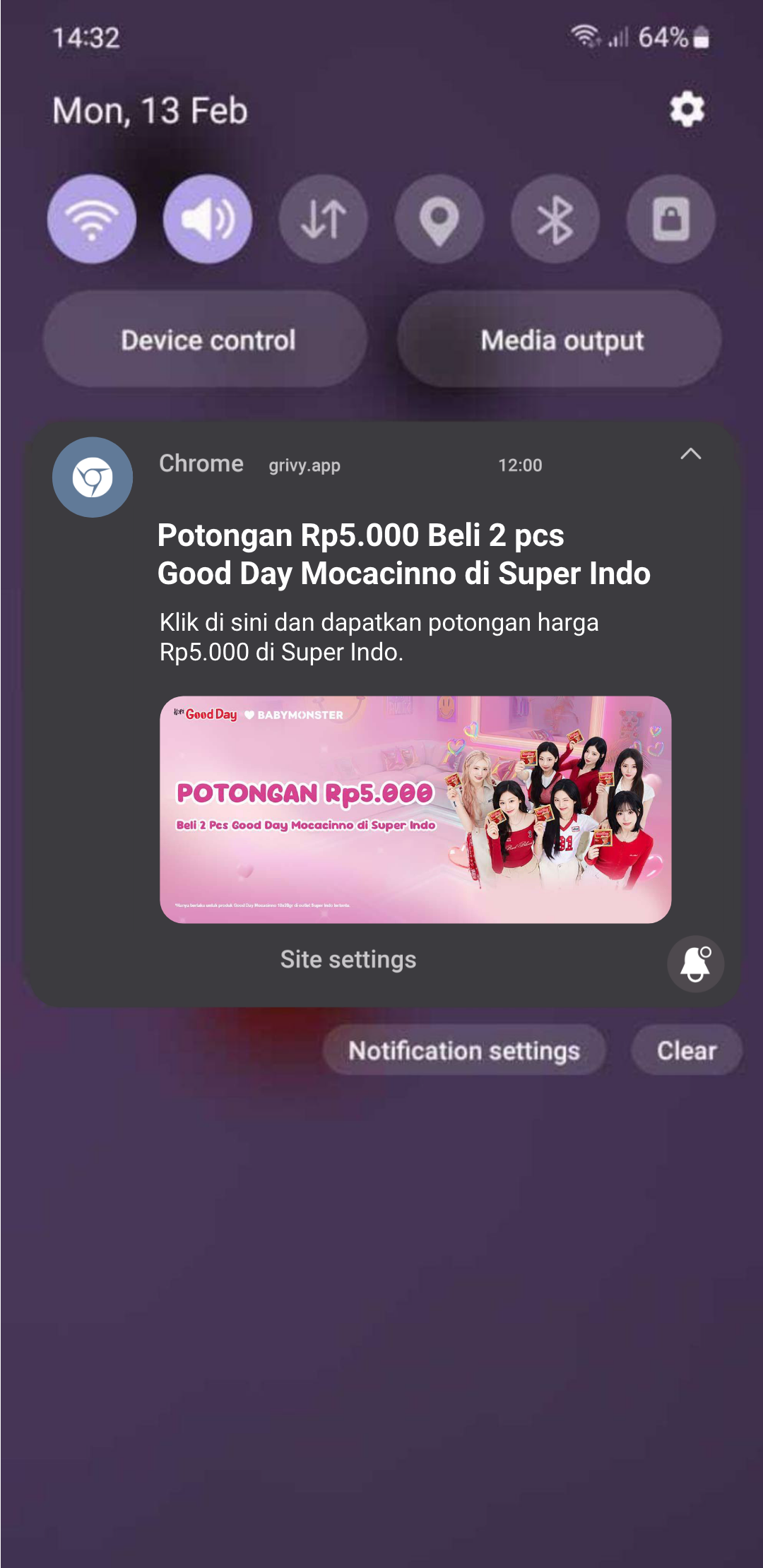
Good Day partnered with global K-pop group BABYMONSTER to turn cultural fandom into measurable brand strength, pairing a Super Indo value offer with a collaboration that more than doubled total brand equity and nearly doubled top-of-mind recall against an organic control group—demonstrating that the right cultural partnership does not simply borrow attention, it converts it into lasting preference.
Turning Cultural Fandom Into Brand Preference
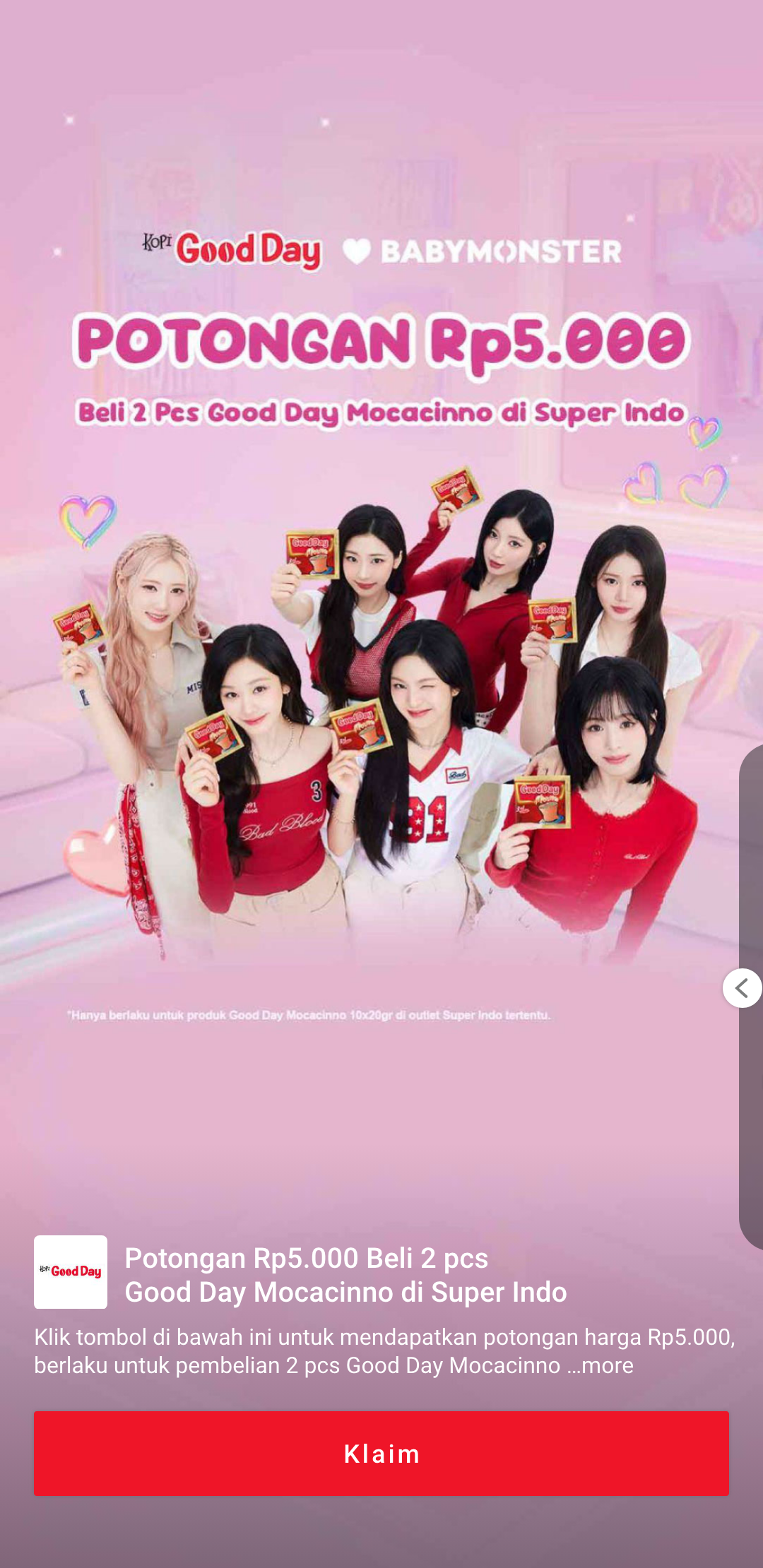
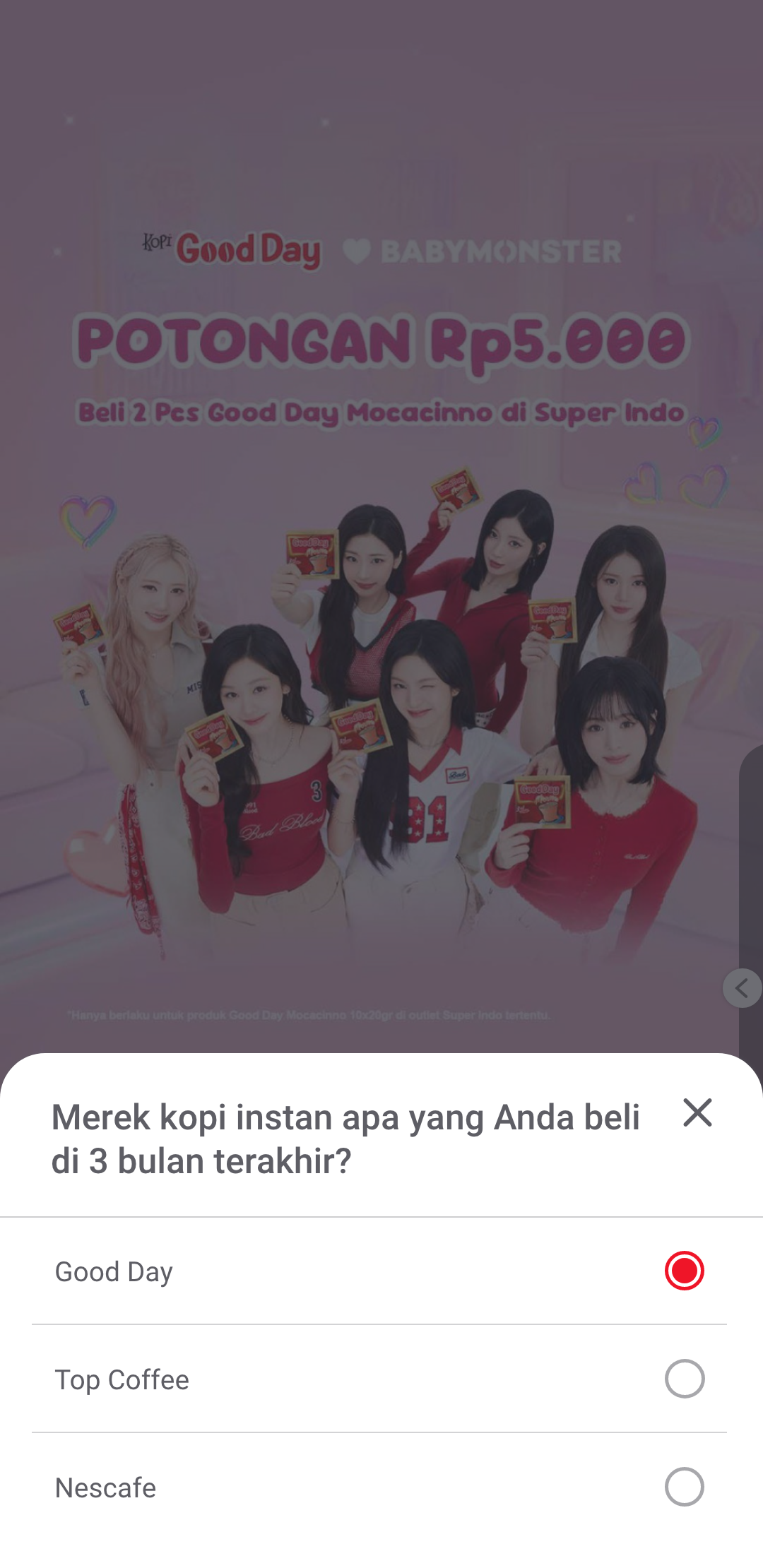
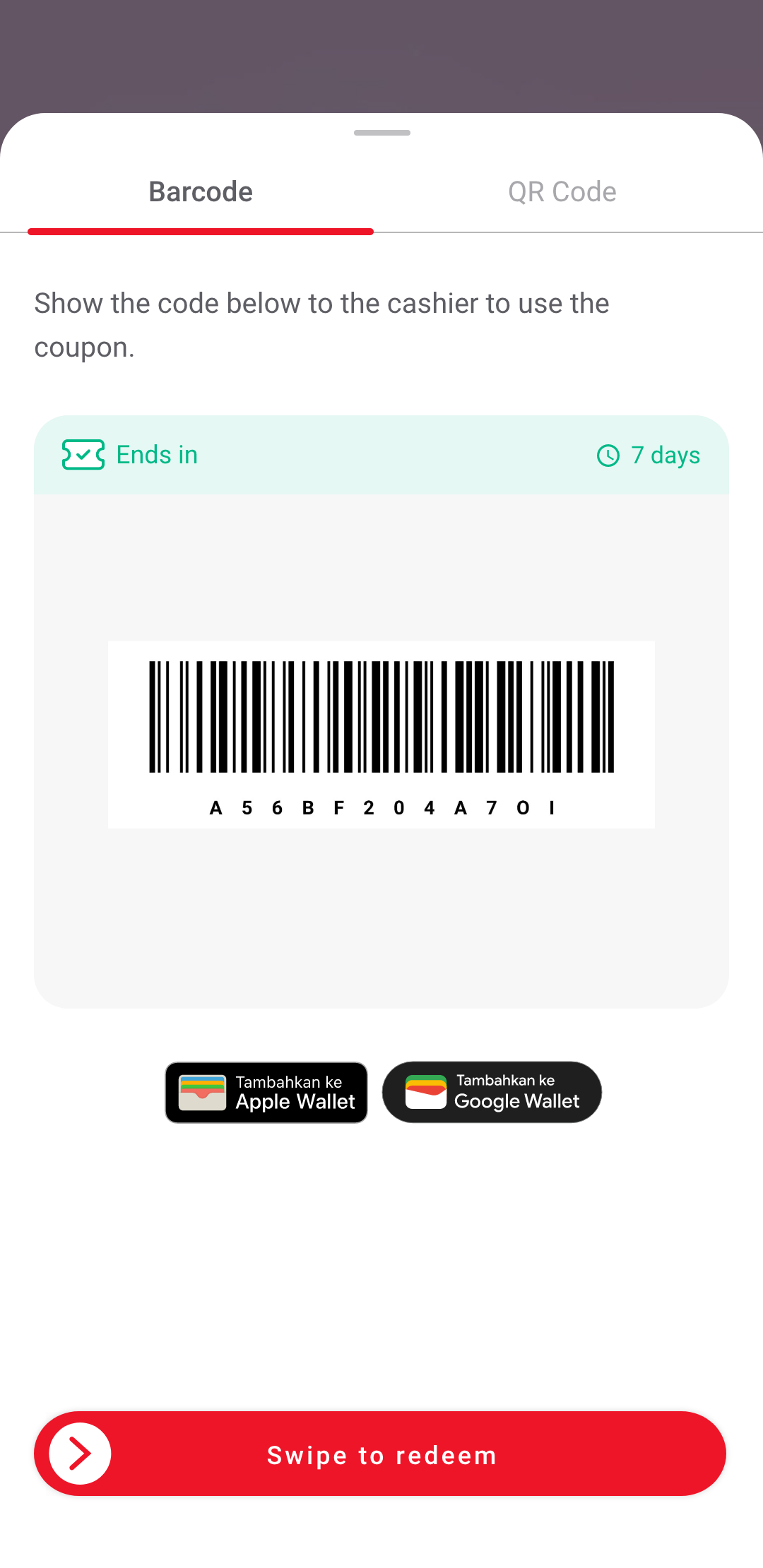
Good Day already commands one of the strongest positions in Indonesia's sachet coffee category, which makes incremental awareness gains genuinely difficult to achieve. The BABYMONSTER collaboration was designed to break that ceiling by reaching consumers through culture rather than category—borrowing the energy of one of the most followed girl groups in Asia and attaching it to a Mocaccino value offer redeemable at Super Indo. Running across eight weeks and supported by in-store wobbler placements at the point of sale, the campaign paired fandom-led creative with a frictionless claim journey, then measured the result against an organic control group of more than a thousand respondents to isolate exactly what the partnership changed.
.jpg)
Convert fandom attention into measurable brand equity
Good Day set out to establish whether a cultural collaboration could move brand metrics that conventional promotion cannot reach. Beyond coupon activity, the brand wanted to quantify the partnership's effect on unprompted recall, advocacy, purchase intent, and total brand equity—and to learn how fandom-driven audiences behave once they enter a retail journey, so that future collaborations could be matched precisely to the right retail footprint and consumer segment.
A fandom-led collaboration pairing K-pop creative with in-store point-of-sale activation and control-group brand measurement.
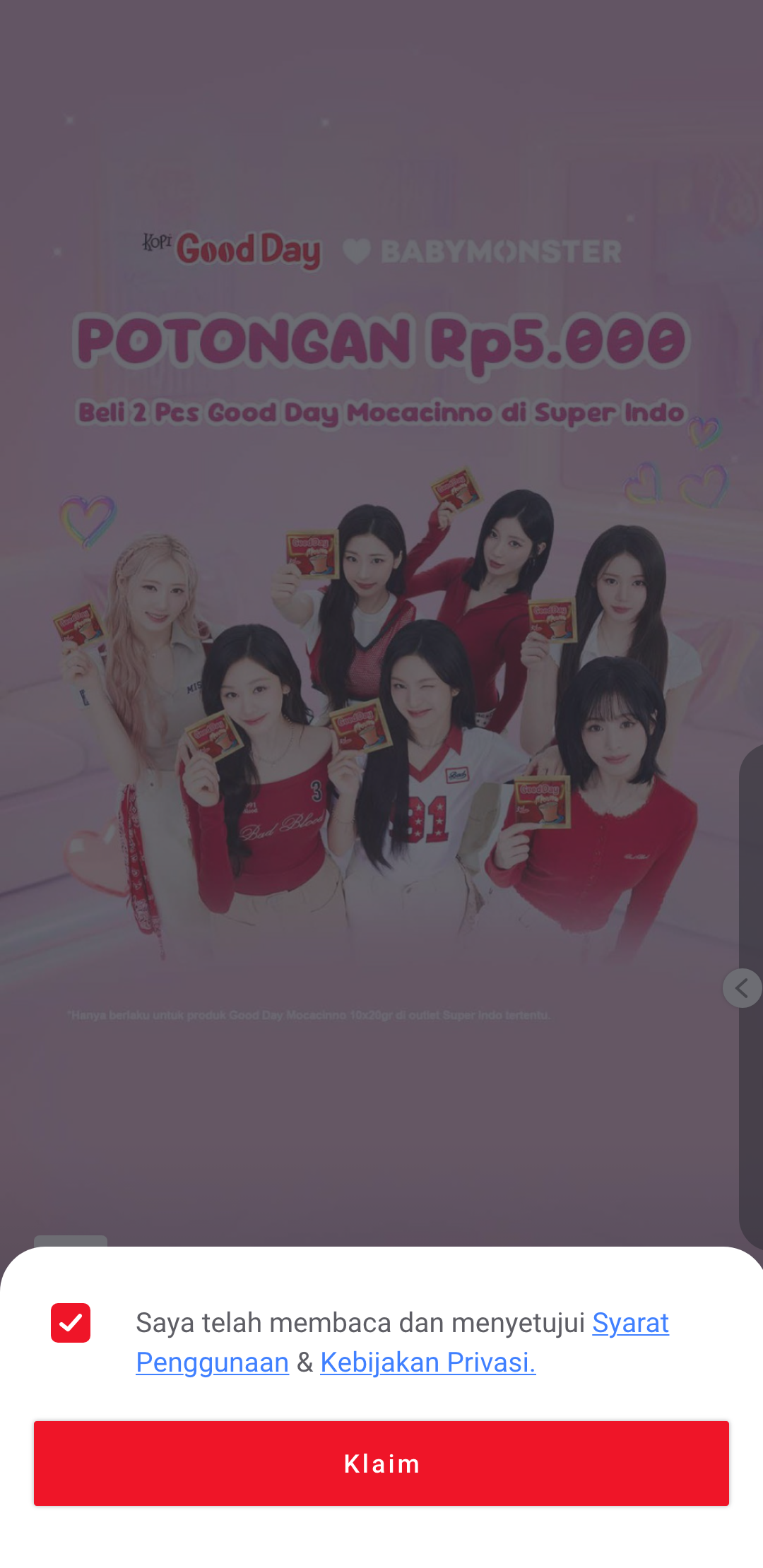

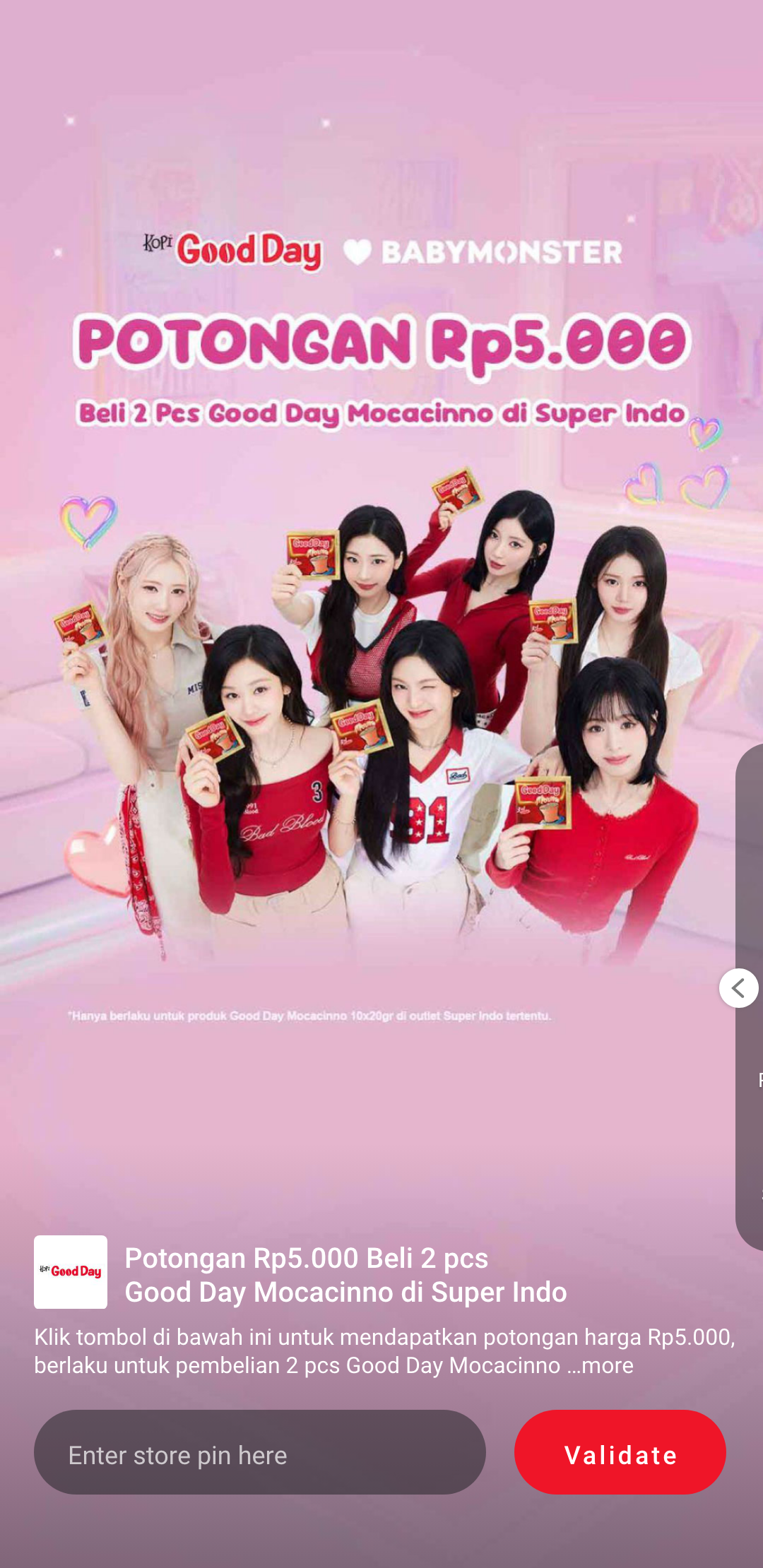
Brand equity more than doubled through cultural partnership
The collaboration delivered exceptional brand impact. Total brand equity among campaign participants more than doubled against the organic control group, while unprompted recall of Good Day in the sachet coffee category was approximately 2x the control group’s level. Advocacy and purchase intent both strengthened, negative purchase intent disappeared entirely among participants, and the claim journey performed flawlessly with virtually every allocated coupon successfully claimed. The campaign also produced a precise strategic lesson: fandom reach must be matched to retail footprint, with participants concentrated in metro markets that sat outside the campaign's eligible store network.
These results prove that cultural partnership is a brand equity instrument, not merely a reach play. Good Day now holds clear evidence of how far a collaboration can move recall and preference, together with a precise map of the retail conditions required to convert that attention into purchase at scale.